Rehabilitation begins with the person, not the defect
Surgery or trauma affecting the mouth or face can change daily function, appearance and confidence. Rehabilitation must therefore begin by understanding the person's current concerns, healing, medical care and priorities. The goal is not to promise complete restoration, but to identify meaningful, achievable support.
Healing influences timing
Tissues can change during recovery. Swelling settles, scars mature and surgical sites may need monitoring. A temporary prosthesis may sometimes support an interim need, while a more definitive design may be considered later. Timing should be coordinated with relevant treating professionals.
Function and appearance are connected
An oral defect may influence speech, swallowing, separation between spaces or the ability to chew. A facial difference may affect protection, symmetry and social comfort. Prosthetic planning considers the affected functions, remaining anatomy, retention, comfort, hygiene and the person's expectations.
The planning process
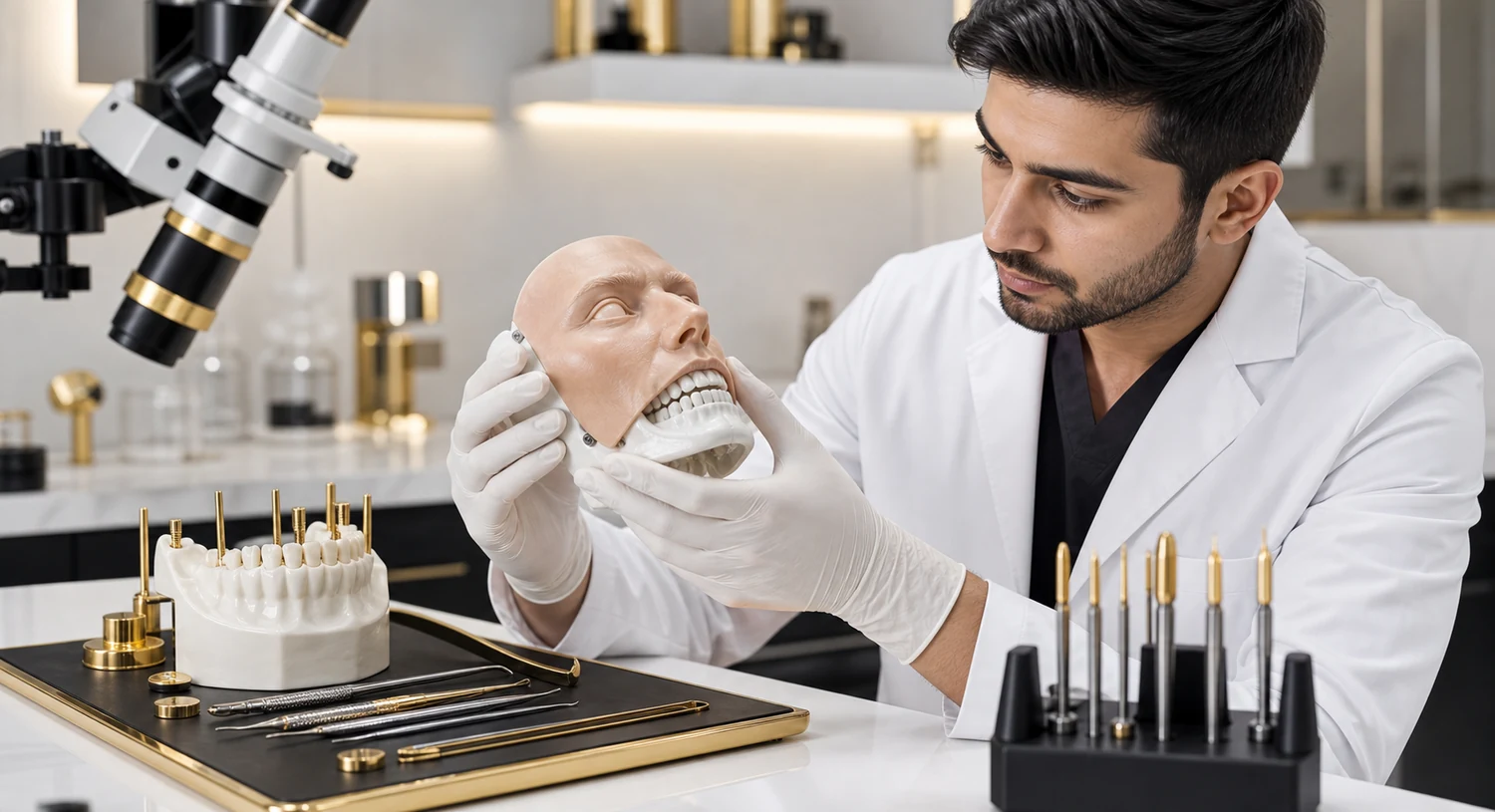
Assessment may include medical and surgical history, examination and records of the area. Impressions, photographs or digital records are selected according to the case. Trial stages can help evaluate form, fit or function before the final prosthesis is completed.
Follow-up matters because pressure areas, retention and cleaning may need refinement. Patients should report soreness, damage, a change in fit or difficulty using the prosthesis rather than trying to alter it at home.
Working as part of a wider care team
Some cases benefit from coordination among surgeons, oncologists, dentists, speech professionals or other clinicians. Dentoveda's role is prosthetic and dental rehabilitation within the limits of the individual case. Learn more in the patient-friendly introduction to maxillofacial prosthetics.
This article provides general dental information and is not a diagnosis or a substitute for examination by an appropriately qualified professional. Treatment recommendations and outcomes depend on individual clinical findings and medical history.