Daily oral care remains important
Elderly and bedridden people may depend on caregivers for brushing, denture care and recognising discomfort. Reduced hand movement, memory changes, dry mouth, swallowing difficulty and multiple medicines can make oral care more complex. A calm routine protects comfort and helps identify problems earlier.
Brushing and mouth care
Use a soft toothbrush and fluoride toothpaste where appropriate, cleaning teeth and gum margins gently. Interdental cleaning may be useful when it can be performed safely. If the person cannot spit or has swallowing difficulties, ask an appropriate healthcare professional for individual guidance rather than improvising.
Dentures and oral tissues
Remove and clean dentures as advised, and clean the gums, tongue and palate. Look for cracks, rough areas, persistent redness, ulcers or a change in fit. A loose denture can affect eating and may injure tissues. Do not adjust or repair it with household materials.
Dry mouth and discomfort
Dry mouth can be associated with medicines, hydration, health conditions or mouth breathing. It may affect comfort, speech, swallowing and decay risk. Report persistent dryness, burning, altered taste or sores to a dentist or relevant medical professional. Do not stop medicines without the prescriber's advice.
Signs caregivers should not ignore
- new facial or dental swelling;
- bleeding, pus or a persistent bad taste;
- refusal to eat or unexplained facial guarding;
- broken teeth or dentures;
- ulcers or patches that do not settle;
- fever or a marked change in general condition.
Difficulty breathing or swallowing, rapidly increasing swelling, uncontrolled bleeding or major trauma requires immediate medical emergency care.
Choosing the right setting
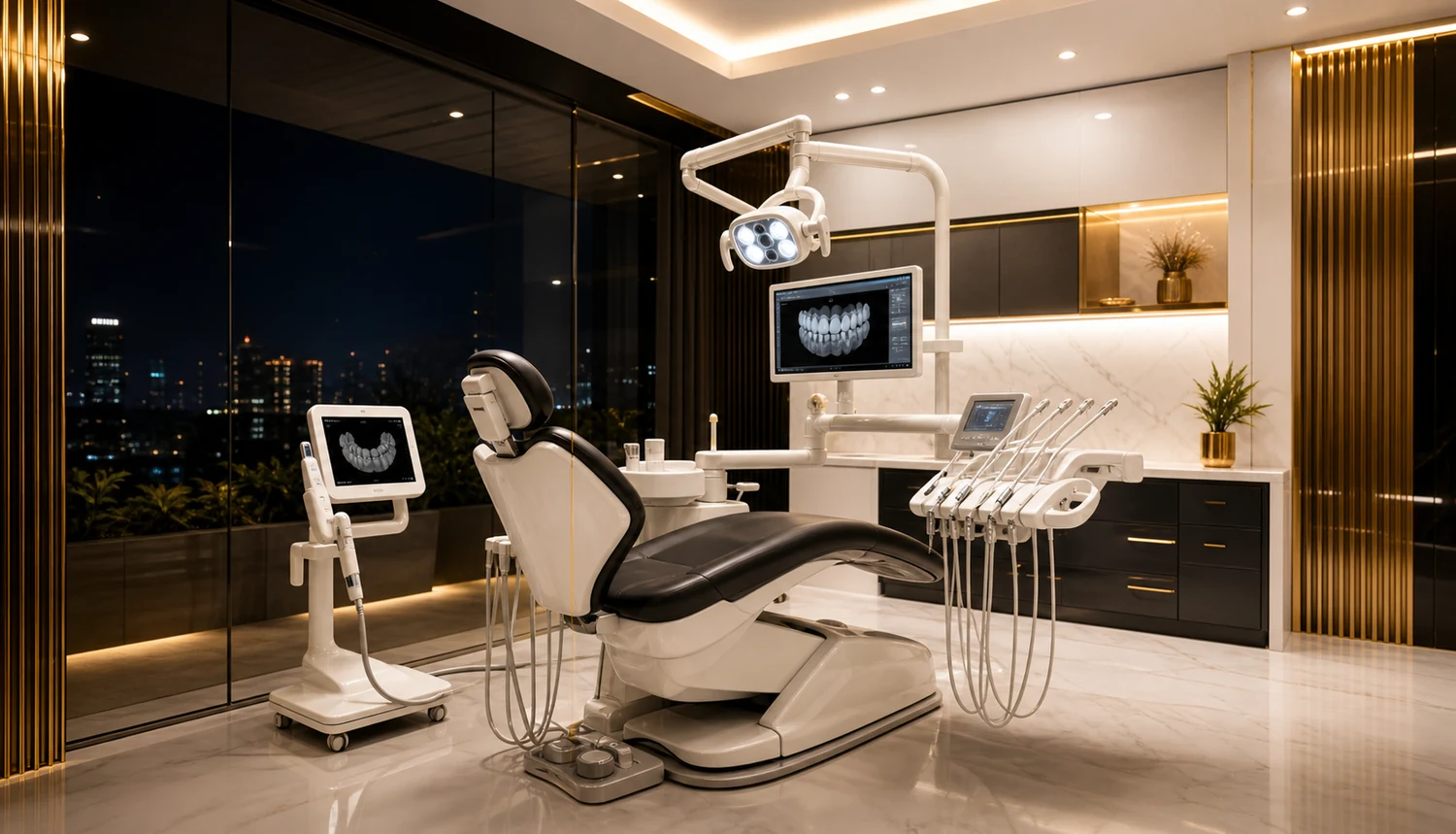
A home dental visit may support assessment and guidance when travel is difficult. Many procedures still need imaging, a dental chair and controlled clinical equipment. Contact Dentoveda to discuss the concern and whether home assessment, clinic referral or another step may be appropriate.
This article provides general dental information and is not a diagnosis or a substitute for examination by an appropriately qualified professional. Treatment recommendations and outcomes depend on individual clinical findings and medical history.