Act promptly after dental trauma
A broken, displaced or knocked-out tooth needs timely assessment. The first steps depend on whether the tooth is permanent or a baby tooth, the type of injury and whether there is wider facial trauma.
If a permanent tooth is knocked out
- Handle it by the crown, not the root.
- If visibly dirty, rinse it briefly and gently; do not scrub or remove attached tissue.
- Do not let the tooth dry out. If immediate repositioning is not safe or possible, place it in a suitable tooth-preservation medium or milk while seeking urgent professional guidance.
- Do not attempt to reinsert a baby tooth.
- Contact a dentist immediately because time matters.
If you are unsure whether it is a permanent tooth, or the person cannot safely hold it in place, call for professional advice rather than risking swallowing or aspiration.
For a broken tooth
Collect fragments if easily found and transport them safely. Rinse the mouth gently. Apply light pressure with clean gauze if there is bleeding, and avoid chewing on the area. The dentist will assess cracks, nerve involvement, the root, bite and surrounding tissues.
Look beyond the tooth
What treatment may involve
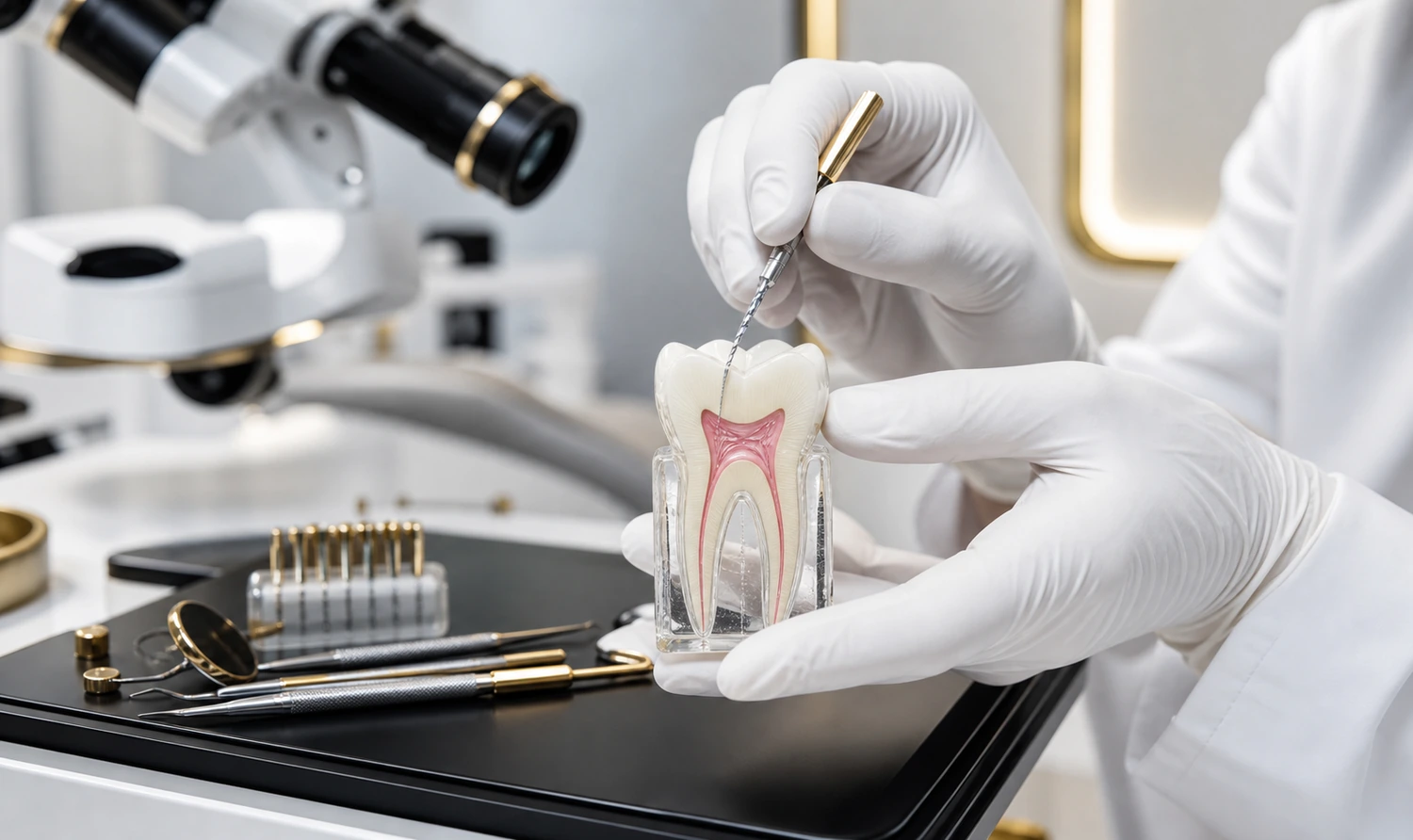
Care can range from smoothing or restoring a chip to repositioning, stabilisation, root canal treatment or extraction, depending on damage and restorability. Follow-up is often required because symptoms or tissue changes may develop later. Contact Dentoveda for urgent dental support and review other dental emergency warning signs.
This article provides general dental information and is not a diagnosis or a substitute for examination by an appropriately qualified professional. Treatment recommendations and outcomes depend on individual clinical findings and medical history.