A dental emergency needs timely professional attention
A dental emergency is a problem that should not wait for a routine appointment because pain, infection, bleeding, trauma or damage may worsen. Urgency is determined by symptoms and risk, not simply by how inconvenient the timing is.
Concerns that need prompt dental advice
- severe or persistent toothache;
- dental or facial swelling;
- a broken, displaced or knocked-out tooth;
- bleeding related to dental trauma that does not settle;
- a lost restoration with pain or sharp tooth edges;
- pain, swelling or fever after a dental procedure;
- difficulty opening the mouth with increasing symptoms.
These signs do not identify the cause on their own. Pain may arise from decay, infection, cracks, gum problems, trauma or another condition. Examination and sometimes imaging are needed to decide what treatment is appropriate.
When hospital-level medical care is more appropriate
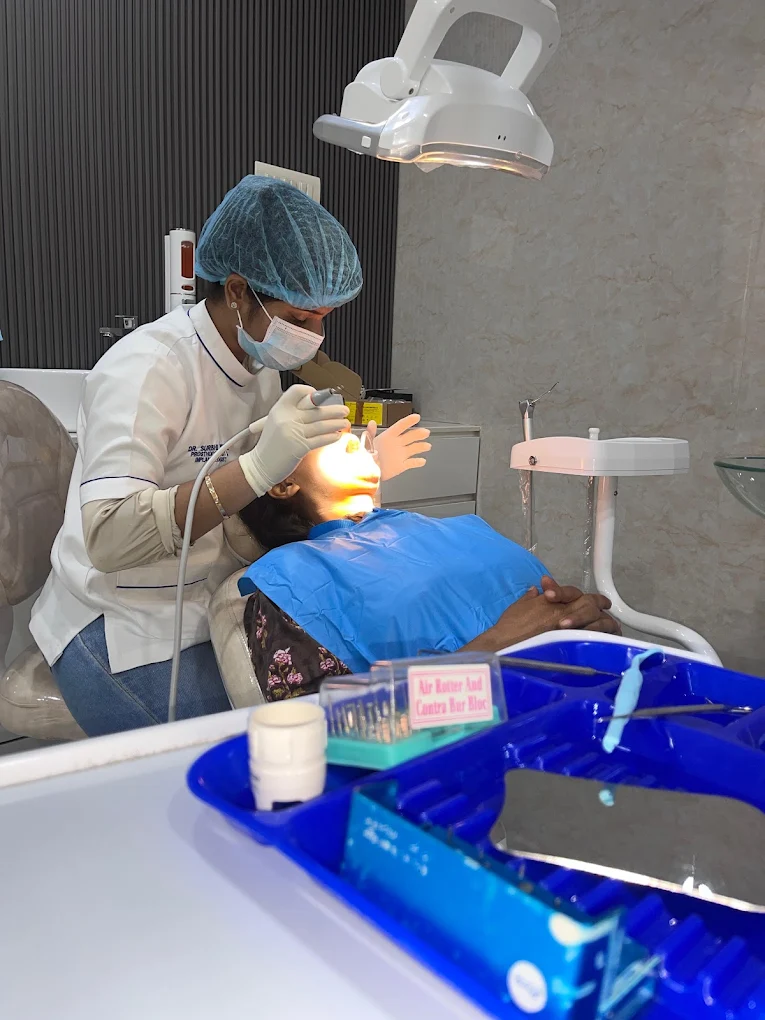
What an urgent dental visit may involve
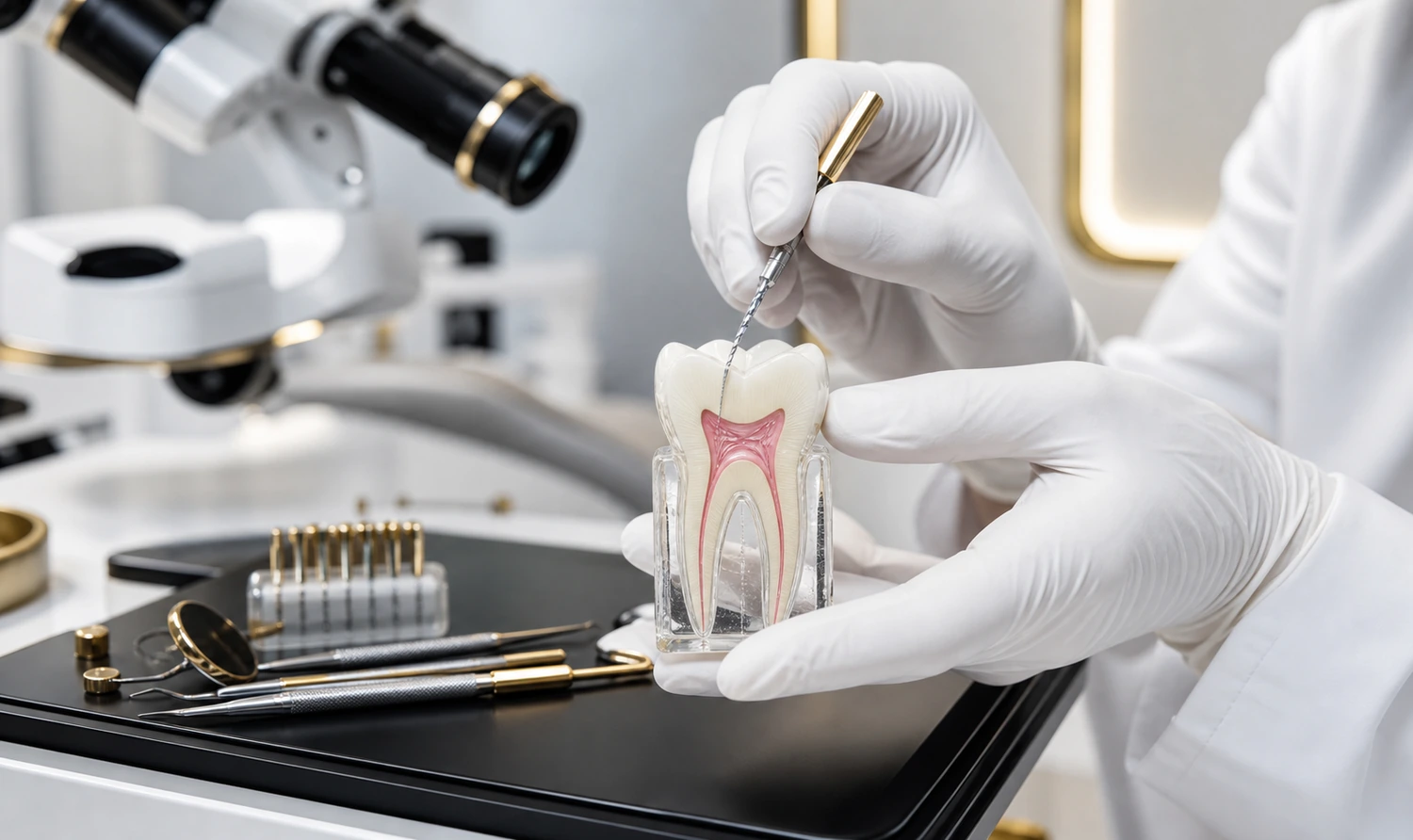
The first aim is assessment and a safe immediate plan. The dentist reviews symptoms, relevant health history and the affected area. Immediate care may differ from definitive care: a tooth could later need root canal treatment, restoration, extraction or another procedure after the urgent issue is evaluated.
Why calling first helps
Describe the symptom, when it started, swelling or trauma, relevant medical conditions and whether breathing or swallowing is affected. A call allows the clinic to discuss availability and whether dental or medical emergency care is the appropriate destination. Dentoveda offers 24x7 dental support in West Delhi; call before travelling.
For night-time pain, read what to do about severe toothache at night. For trauma, see the guide to a broken or knocked-out tooth.
This article provides general dental information and is not a diagnosis or a substitute for examination by an appropriately qualified professional. Treatment recommendations and outcomes depend on individual clinical findings and medical history.