Dental tourism needs clinical and travel planning
Dental tourism means travelling away from home for planned dental treatment. A successful plan depends on clear communication, appropriate assessment, realistic timing and follow-up—not simply booking several procedures into a short trip.
Start with useful records
Share a concise description of the concern, medical and dental history, current medicines and available recent records. Clear photographs or scans may support preliminary discussion, but they cannot replace an in-clinic examination. Definitive recommendations are made only after appropriate evaluation.
Build flexibility into travel
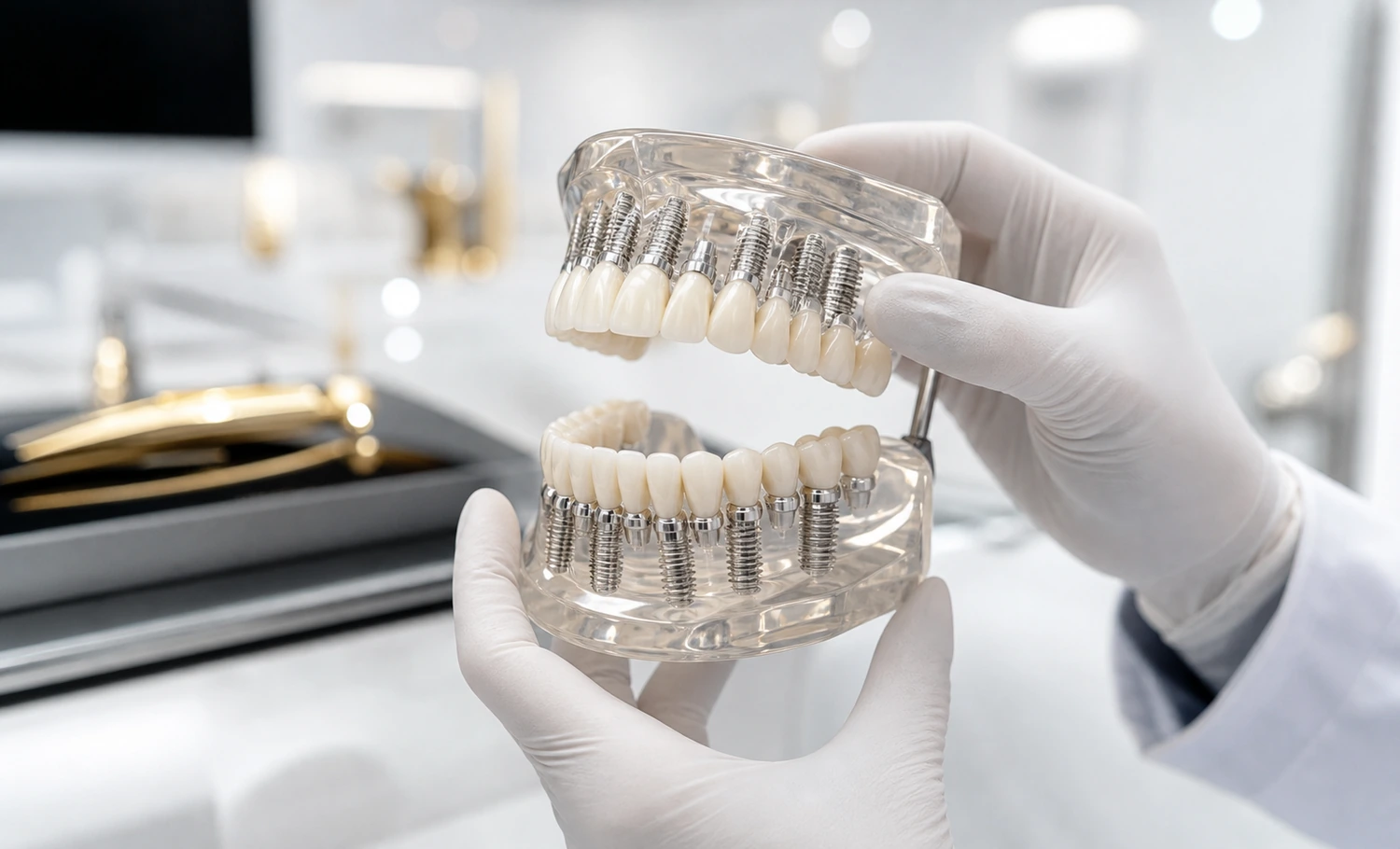
Treatment length varies with diagnosis, the number of teeth involved, laboratory stages, healing and whether additional procedures are needed. Avoid arranging non-changeable travel around an assumed completion date. Implant treatment and complex rehabilitation may require healing or multiple visits.
Ask about sequencing and follow-up
- Which decisions can be discussed before travel?
- Which records are useful to bring?
- How many clinical and restorative stages may be involved?
- What temporary restoration may be possible, if appropriate?
- What review is recommended before departure?
- How will maintenance or an unexpected concern be managed after returning home?
Keep documentation organised
Retain treatment summaries, prescriptions, relevant imaging and details of restorations where provided. These can support continuity with a dentist at home. Tell both clinics about relevant conditions and medicines; do not omit health information to shorten a schedule.
Planning care in Delhi
Dentoveda coordinates consultations and treatment planning for outstation, NRI and international patients visiting West Delhi. Read the pre-travel dental planning checklist, or explore dental tourism support in Delhi.
This article provides general dental information and is not a diagnosis or a substitute for examination by an appropriately qualified professional. Treatment recommendations and outcomes depend on individual clinical findings and medical history.