When travelling to a clinic is difficult
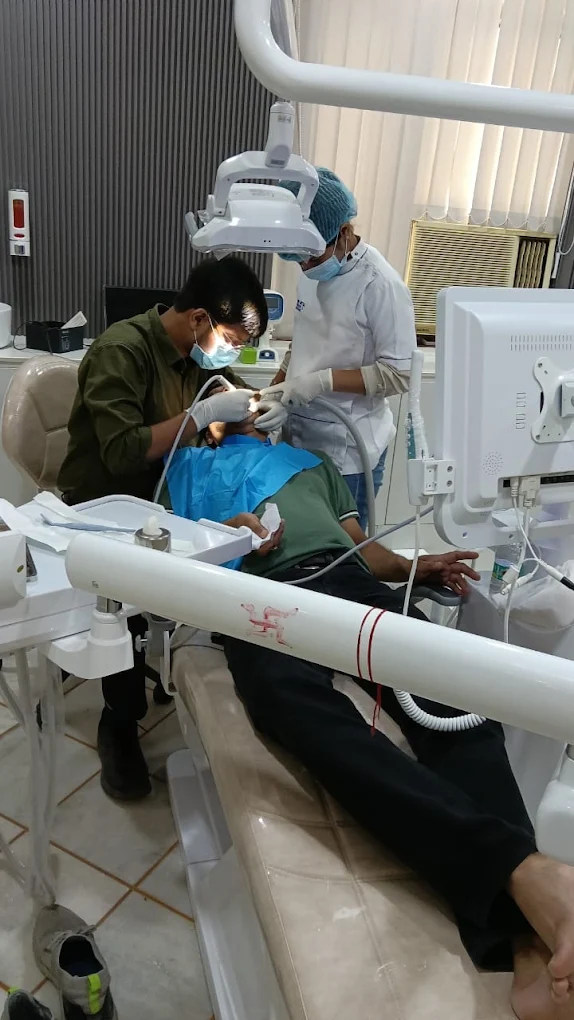
A home dental visit may help a person who has substantial mobility limitations, is bedridden, is medically fragile or finds clinic travel especially difficult. It can provide an initial view of oral concerns, hygiene needs and whether clinic-based care is necessary.
What may be possible at home
Depending on the patient's condition and the service available, a visit may include discussion of symptoms, a limited oral assessment, denture review, oral hygiene guidance and caregiver education. Selected basic support may be possible, but this must be confirmed in advance.
What usually requires a clinic
Information to share when enquiring
- the main dental concern and how long it has been present;
- mobility and transfer limitations;
- relevant medical conditions and current medicines;
- whether a caregiver can be present;
- swelling, fever, trauma, bleeding or difficulty eating;
- the home location and practical access considerations.
When urgent care is needed
Increasing facial or neck swelling, difficulty breathing or swallowing, uncontrolled bleeding, major trauma or severe systemic symptoms requires immediate medical emergency care. Do not wait for a routine home visit. Other urgent dental concerns should be discussed promptly by phone.
Planning the next step
The outcome of a home assessment may be guidance, monitoring, a selected service or referral to a suitably equipped clinic. Transport support and caregiver involvement may then be planned. Read our guide to dental care for elderly and bedridden patients, then contact Dentoveda to ask what support is currently available.
This article provides general dental information and is not a diagnosis or a substitute for examination by an appropriately qualified professional. Treatment recommendations and outcomes depend on individual clinical findings and medical history.