Why there is no universal implant timeline
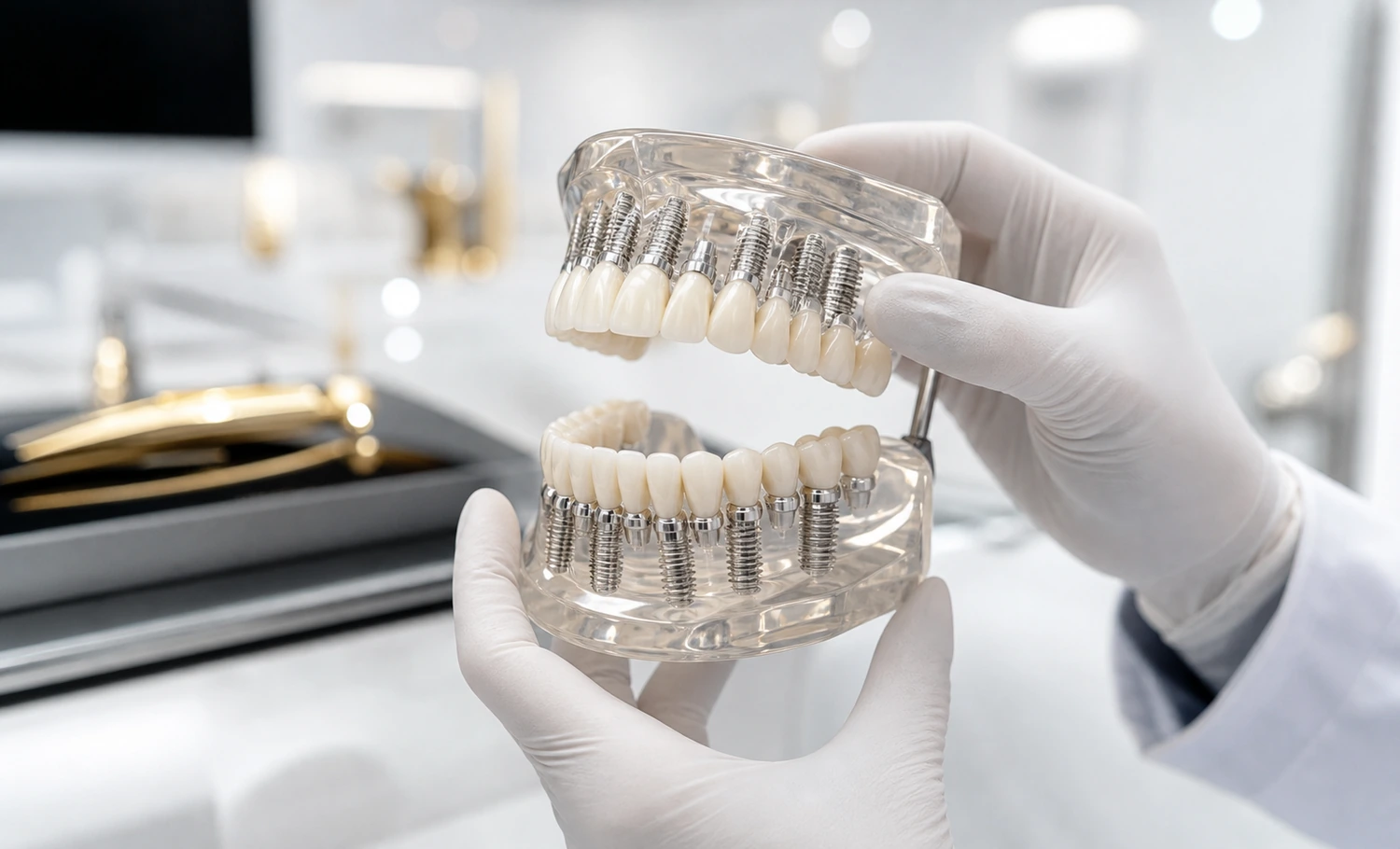
Dental implant treatment includes diagnosis, surgical and restorative stages. Time depends on whether the site has healed, the amount and quality of bone, gum health, the number of implants, healing response and the final restoration. A simple single-tooth plan and full-mouth rehabilitation should not be expected to follow the same schedule.
Consultation and planning
The first stage reviews medical and dental history, symptoms, gums, remaining teeth, bite and available space. Imaging or digital records may be recommended. Planning also identifies whether an extraction, periodontal care or another preparatory step is needed before implant placement.
Placement and early healing
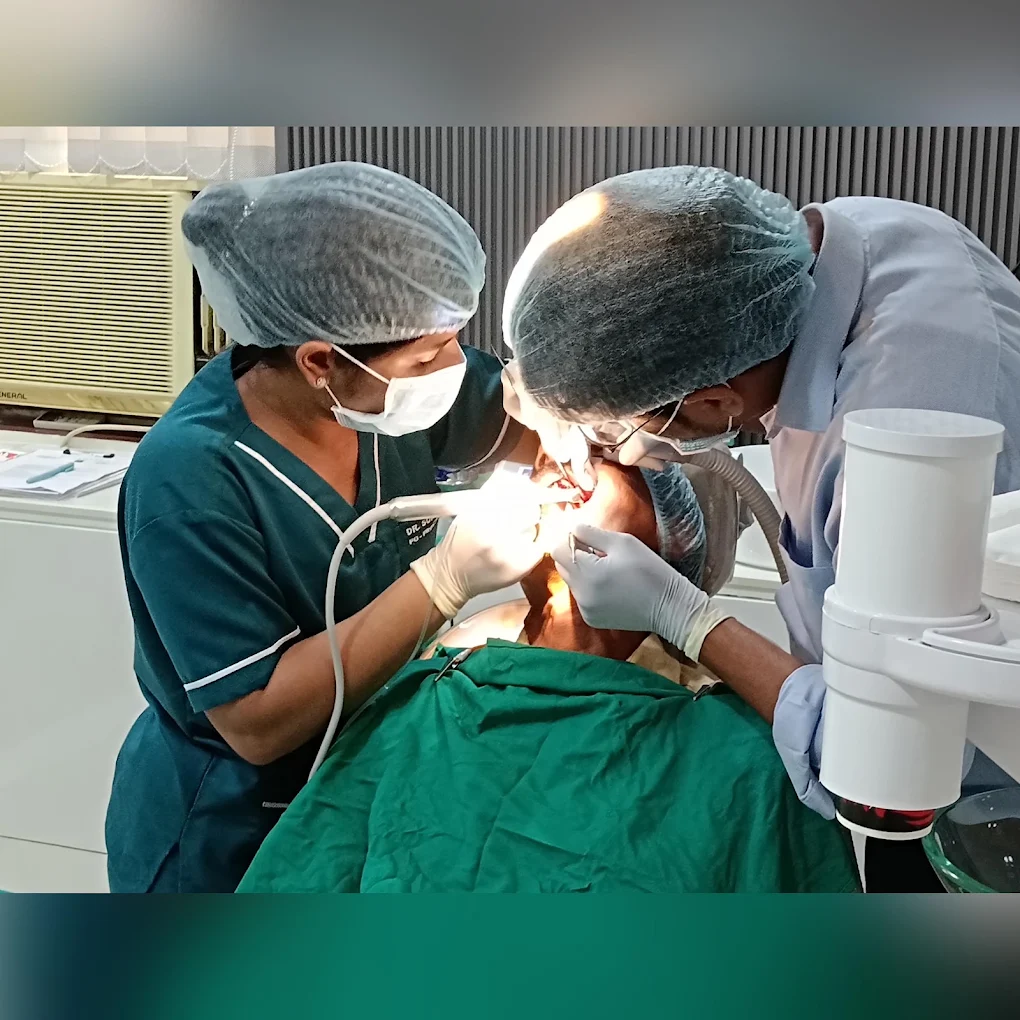
When the site is ready, the implant is placed and aftercare instructions are provided. Swelling and tenderness vary. Contact the treating clinic if bleeding does not settle, swelling increases rapidly, pain becomes difficult to manage or another unexpected symptom develops.
A temporary restoration may be possible in selected cases, but it has limitations. The ability to provide a temporary tooth immediately depends on stability, bite, appearance and the wider plan; it should never be assumed before assessment.
Integration and final restoration
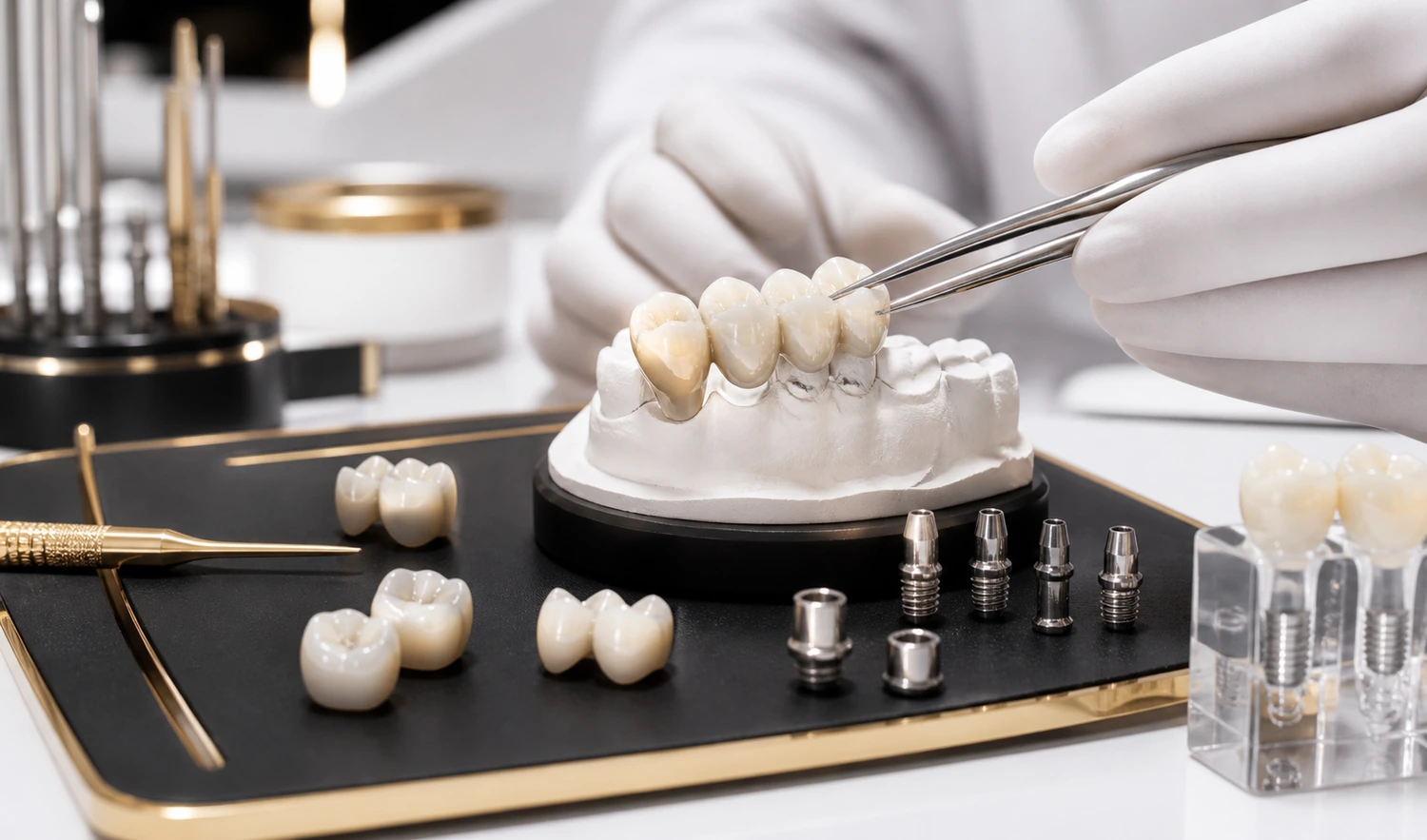
Healing time allows bone and soft tissues to stabilise. The dentist decides when to proceed based on clinical findings rather than a calendar alone. Records are then taken for the final crown, bridge or prosthesis. Fitting includes checks of contacts, bite, appearance and cleaning access.
When additional stages are needed
Bone augmentation, management of gum disease, extraction healing or complex restorative planning can extend treatment. International patients should therefore avoid booking inflexible return travel around an unconfirmed completion date. See our guide to implant treatment in Delhi while travelling from abroad.
The Dentoveda dental implant service page explains the consultation pathway in Rajouri Garden, West Delhi.
This article provides general dental information and is not a diagnosis or a substitute for examination by an appropriately qualified professional. Treatment recommendations and outcomes depend on individual clinical findings and medical history.